Cosmetic Dentistry
Teeth whitening in Scottsdale
Professional whitening, planned and supervised by a dentist, not a kiosk.
Book a ConsultationTeeth Whitening at Glisten
Why drugstore strips disappoint.
Over-the-counter strips and trays use weak gel on a one-size tray, so results are shallow and uneven, and sensitive spots get hit as hard as strong enamel. Many people whiten for weeks and barely move a shade.
Professional whitening uses a stronger, dentist-supervised gel matched to your enamel and your sensitivity. Dr. Dawood also confirms the color you are starting from is stain, not something that needs different treatment, before you spend anything on whitening.
Why patients come in
- Coffee, tea, or wine staining
- A wedding, photos, or an event coming up
- Whitening before veneers or bonding, so new work is matched to a brighter shade
- Strips and trays that never quite worked
From our studios
Real Glisten smile transformations.
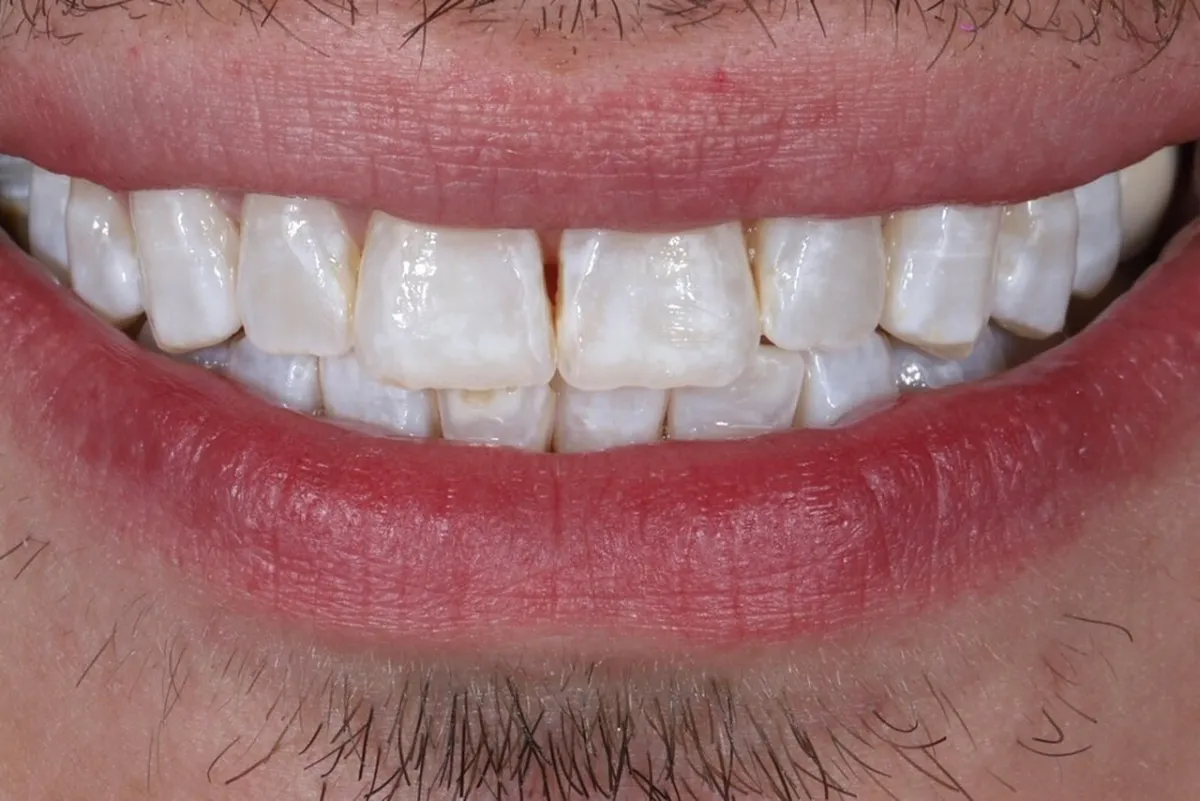
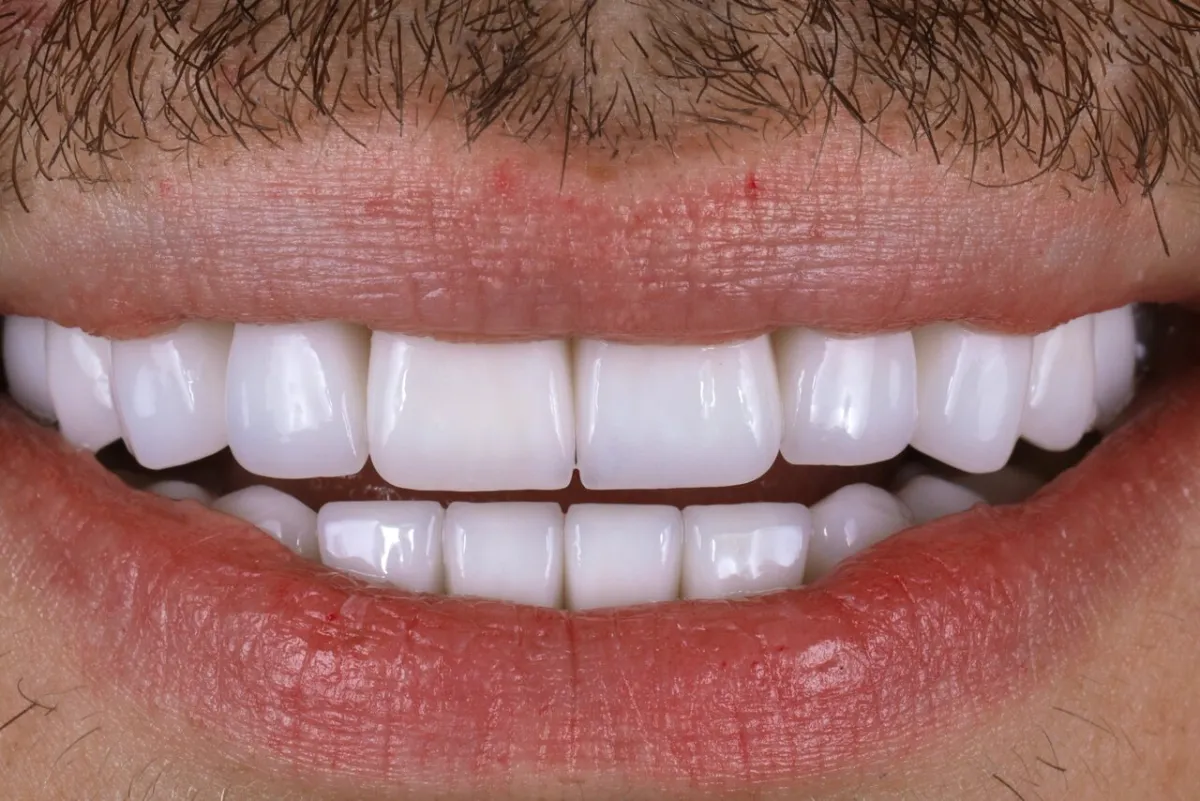
Real Glisten Dental patient photography from our studios. Cases shown are smile transformations and may combine treatments. Individual results vary.
What to expect
What a professional whitening visit looks like.
- 01
The color exam
Dr. Dawood confirms the discoloration is surface staining that whitening can lift, not internal discoloration or an unhealthy tooth wearing a disguise. Your starting shade is recorded so the result is measured, not guessed.
- 02
Protection first
Gums and lips are isolated and protected. This single step is most of the difference between professional whitening and a kiosk; the strong gel touches enamel and nothing else.
- 03
Controlled application
Professional-strength gel is applied in timed cycles, monitored and adjusted for sensitivity between cycles. Most sessions complete within about an hour.
- 04
The after-shade and the plan
Your new shade is recorded against the starting one, and you leave with the habits list that protects it and an honest estimate of when a touch-up may be worth it.
Candidacy
Will whitening work on your teeth?
A good fit when
- Yellowing from coffee, tea, wine, or time
- Healthy teeth and gums with color as the main complaint
- A deadline: wedding, photos, interviews
- Whitening before bonding or veneers so new work matches the brighter shade
Worth a conversation first when
- Grey or banded discoloration from inside the tooth, which veneers solve and gels do not
- Very sensitive teeth, which need a gentler protocol rather than a hard no
- Extensive visible dental work, since crowns and fillings will not lighten with the enamel
- Untreated decay or gum disease, which always comes first
The most valuable minute of the visit is the one where Dr. Dawood tells you what whitening will not do for your particular teeth. It saves patients from paying twice.
What can go wrong, honestly.
Temporary sensitivity is the real and common side effect: a day or two of zing on cold. Supervised application and desensitizers keep it short and mild for most patients.
Whitening has a ceiling set by your enamel. Most patients gain several shades; nobody honest promises a specific Hollywood white, and results vary tooth to tooth.
Over-whitening chasing an unnatural shade makes teeth look flat and grey. Dr. Dawood will tell you where to stop; the best shade is the brightest one that still reads as yours.
Living with it.
First 48 hours the enamel is most receptive to re-staining. White-shirt rule: if it would stain a white shirt, skip it for two days.
Long term, the usual suspects set the clock: coffee, tea, red wine, smoking. A straw and a rinse of water after coffee genuinely help.
An annual or biennial touch-up session keeps the shade without starting over, and your hygiene visits polish away early surface stain for free.
Worth knowing
The fine print of a brighter smile.
What professional gel actually does differently
All whitening works the same way chemically: peroxide breaks down stain molecules inside enamel. The differences are concentration, contact, and control. Professional gel is several times stronger than anything legal to sell over the counter, it is held in uniform contact with each tooth instead of wherever a strip happens to grip, and it is applied in supervised cycles with your gums shielded and your sensitivity managed between rounds. Same chemistry, radically different delivery, which is why one office hour outperforms a month of strips.
The supervision is not ceremony. It is what allows the stronger gel to be used safely, and it is the part no kiosk can sell you.
Reading your own staining before you spend
A quick self-check saves money. Yellowish, warm-toned staining that darkens with coffee and age lives near the enamel surface and responds beautifully to whitening. Grey or banded discoloration, often from childhood medications or a tooth that was injured, lives deeper and resists gel almost completely; covering it well is veneer territory. A single dark tooth among bright neighbors usually has its own story, sometimes an old root canal, and needs diagnosis rather than bleach.
This triage takes Dr. Dawood about a minute at the start of the visit, and it is done honestly: if whitening cannot reach your shade goal, you will hear that before you pay, not after.
Keeping the shade without becoming precious about it
Whitening is not a tattoo; it fades on a schedule your habits set. The realistic plan is not giving up coffee, it is cheap damage control: water after the espresso, a straw for iced drinks, and the polish your regular hygiene visits already include, which removes early surface stain for free. Most patients hold their shade comfortably with a short touch-up session every year or two, a fraction of the original cost.
Booked before a wedding or photos? Whiten one to two weeks ahead, not the day before, so the shade settles and any sensitivity is long gone by the date.
Whitening in Scottsdale, specifically
Scottsdale offers whitening everywhere: med spas, kiosks, salon add-ons, mall booths. What a dental studio adds is not a stronger lamp; it is diagnosis and accountability. Your enamel is examined before anything is applied, discoloration that gel cannot fix is identified before you pay, sensitivity is managed by someone licensed to manage it, and the result is checked against a recorded starting shade rather than a mirror and good lighting.
Whitening is also the cheapest way to test-drive this practice. One visit shows you how the studio treats planning, honesty, and comfort, on the lowest-stakes treatment on the menu. Across the Glisten studios, a fair share of veneer and implant patients started as exactly that.
The decision
Whitening, bonding, or veneers?
Professional whitening
Right when your teeth are healthy and evenly shaped and color is the only complaint.
Dental bonding
Right when a chip or gap bothers you alongside the color. Whitening comes first so the composite is matched to the brighter shade.
Porcelain veneers
Right for deep, internal discoloration that whitening cannot lift, or when you want to change shape and symmetry too.
Not sure? That is what the consultation is for. Dr. Dawood tells you plainly which option fits, including when the answer is the cheaper one.
Book a ConsultationQuestions
Teeth Whitening FAQ
How white will my teeth get?
Most patients gain several shades in a single professional session. The ceiling depends on the type of staining; Dr. Dawood will tell you honestly what whitening can and cannot reach before you commit.
Does whitening hurt?
Some people feel temporary sensitivity for a day or two. Dentist-supervised whitening manages this with desensitizers and by controlling how the gel is applied, which kiosks and strips cannot do.
How long does whitening last?
Usually one to three years depending on coffee, tea, wine, and smoking habits. Periodic touch-ups keep the shade.
Why did whitening strips not work for me?
Three usual reasons: the gel is weak by law for unsupervised sale, the strip does not hug the tooth surfaces evenly, and some discoloration is internal, which no surface gel reaches. The exam tells you which applied to you before you spend again.
Does whitening damage enamel?
Dentist-supervised whitening does not soften or thin enamel; this has been studied extensively. What it can do is make teeth temporarily sensitive, which is managed with desensitizers and controlled application.
Will whitening change my crowns, fillings, or veneers?
No. Whitening only lightens natural enamel. That is exactly why whitening comes first in any plan that includes new dental work, so the new work is matched to the final shade.
Is whitening safe for crowns, veneers, or fillings?
Safe, yes; effective, no. The gel does not harm existing dental work, but it does not lighten it either. If your smile mixes natural teeth and restorations, the plan sequences whitening first and then matches or updates the visible work, so everything reads as one shade.
Why is my single dark tooth not responding to whitening?
A lone dark tooth usually has an internal cause, commonly an old injury or root canal, and surface gel cannot reach it. It needs diagnosis; options range from internal whitening to a veneer or crown. Bring it to the consultation rather than buying stronger strips.
Ready to talk it through?
Request a consultation at the Scottsdale studio.
Book a ConsultationHelpful reading: Dental bonding · Smile makeover · Financing
Also at this studio: Porcelain Veneers · Dental Implants · All-on-X Full-Arch Implants · Dental Bonding