Cosmetic Dentistry
Dental bonding in Scottsdale
Repair chips, small gaps, and worn edges in one visit.
Book a ConsultationDental Bonding at Glisten
Small flaws, outsized impact.
A chipped corner, a small gap, or an edge worn thin can dominate how a smile reads, even when every other tooth is healthy. Covering the whole tooth for a small flaw is often more treatment than you need.
Dental bonding places tooth-colored composite exactly where the flaw is. Dr. Dawood shapes and polishes it by hand in one appointment. No lab, no temporaries, and in most cases no drilling of healthy enamel.

Why patients come in
- A chipped or worn front tooth
- A small gap you want closed
- An uneven or short-looking edge
- A first cosmetic step before committing to veneers
From our studios
Real Glisten smile transformations.
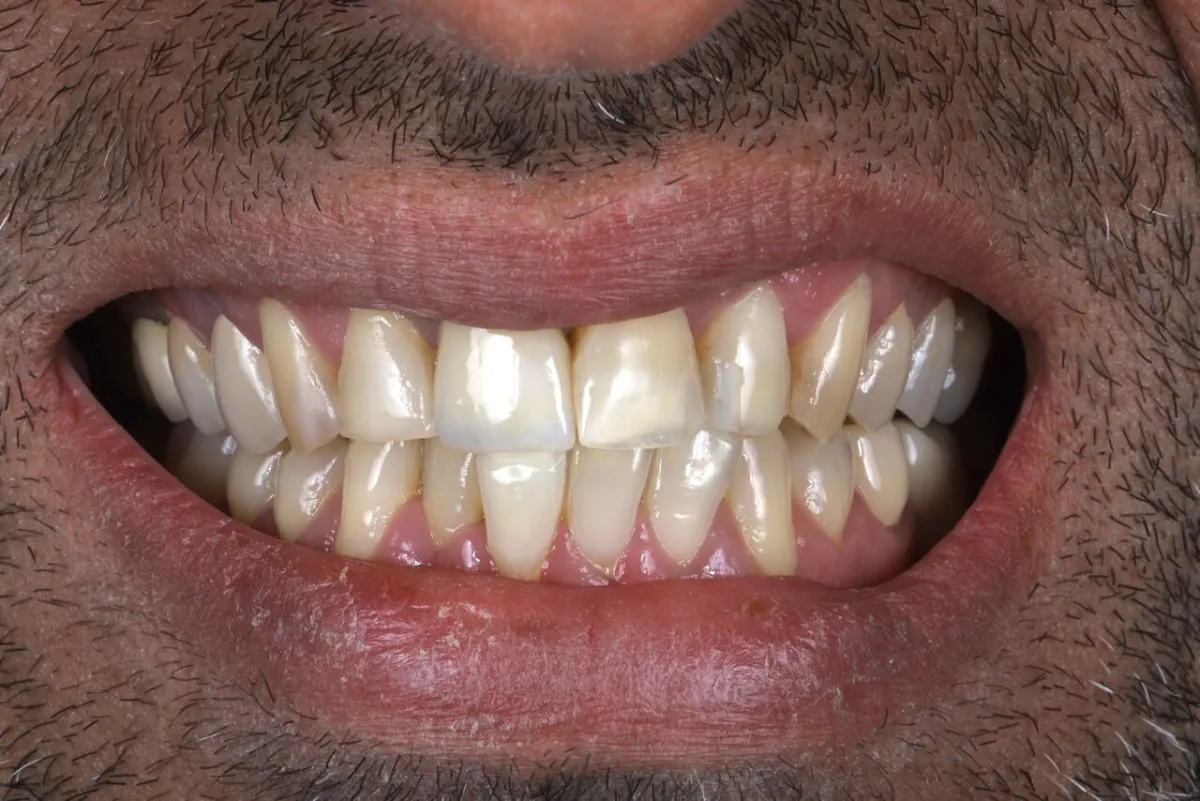
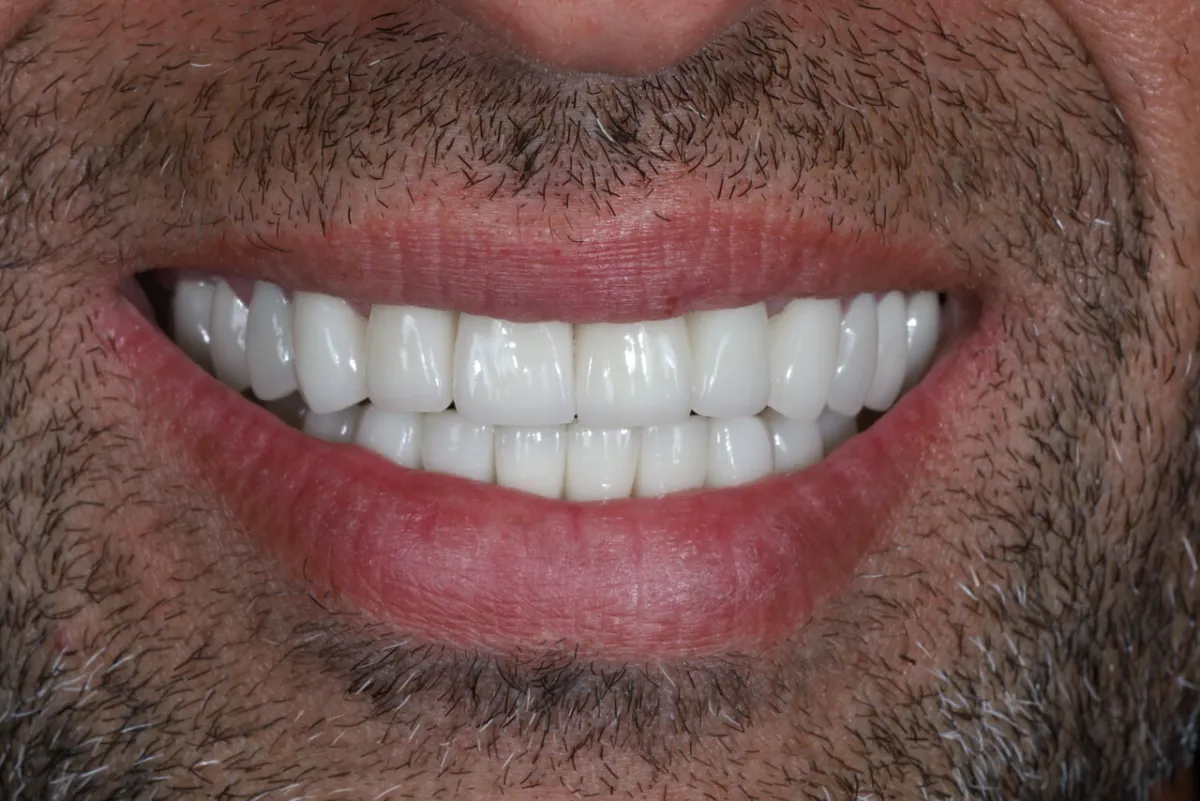
Real Glisten Dental patient photography from our studios. Cases shown are smile transformations and may combine treatments. Individual results vary.
What to expect
A bonding visit, start to finish.
- 01
The exam that earns the plan
Dr. Dawood confirms the flaw is cosmetic and the tooth beneath is healthy. A chip caused by decay or a crack gets diagnosed now, not discovered under composite later.
- 02
Shade matching
The composite is matched to your enamel in natural light, before the tooth dries out and lightens. If whitening is in your plan, it happens before this moment.
- 03
Conditioning and sculpting
The enamel surface is lightly conditioned, and the composite is applied in thin layers, each cured and built toward the final shape. This is handwork; the material is sculpted on your tooth, not delivered from a lab.
- 04
Bite check and polish
Your bite is verified so the new edge meets its partner tooth correctly, then the composite is polished to enamel gloss. You eat normally the same day.
Candidacy
Is bonding the right size of fix?
A good fit when
- A chipped or worn edge on an otherwise healthy tooth
- A small gap you want closed without touching the neighbors
- A single tooth that reads shorter or flatter than its partner
- You want a reversible, low-commitment first step into cosmetic work
Worth a conversation first when
- Deep internal discoloration, which composite covers poorly and veneers cover well
- Heavy grinding, which chews through composite edges faster
- Many teeth with shape and color complaints, where per-tooth bonding costs approach veneer territory without the longevity
- A chip from a crack or decay, which is treatment first, cosmetics second
Bonding is the smallest honest tool in the kit. When it fits, nothing beats its value; when it is outmatched, Dr. Dawood says so before you spend.
What can go wrong, honestly.
Composite chips more readily than porcelain, especially on biting edges and in grinders. Repairs are quick and cheap compared to porcelain, which is the trade the lower price buys.
Expect a lifespan of years, not decades. Three to ten years is the honest range, with position and habits deciding where in that range yours lands.
Color match is excellent on day one and drifts slowly as composite and enamel age differently. Periodic polish or refresh keeps it invisible.
Living with it.
First 48 hours: the composite is fully hardened immediately, but heavy coffee and red wine right away can tint fresh margins. Give it two days.
Treat the bonded edge like a tooth, not a tool. Packaging, fingernails, and ice are how bonded corners die young.
Mention the bonding at hygiene visits so polishing is done with composite-safe paste, and small wear gets touched up early.
Worth knowing
Getting the most from the smallest cosmetic tool.
Why hands matter more than material here
Every dental office stocks composite resin. What differs is the sculpting. Bonding is freehand artistry performed directly on your tooth: layering, shaping, and polishing until the repair disappears against the enamel around it. There is no lab and no second chance at the bench, which makes the operator's eye the whole product. This is also why bonding is quietly one of the best previews of how a practice thinks about cosmetics: a studio that treats a one-tooth chip with design attention will treat a ten-veneer case the same way.
Ask to see bonding repairs in natural light at your consultation. Good work is invisible; that is the standard to hold anyone to.
Edge bonding, the quiet favorite
A specific use deserves its own mention: rebuilding the worn, shortened edges of front teeth, often called edge bonding. Years of grinding shave millimeters off the smile line and age a face more than people realize. Rebuilding those edges in composite restores the length in a single visit, at a fraction of veneer cost, with no drilling. For grinders, a night guard joins the plan, or the new edges meet the same fate as the originals.
If your complaint is that your smile looks older or flatter than it used to rather than damaged, edge bonding is often the honest first recommendation here.
When bonding is the wrong economy
Bonding is priced per tooth, and at some point the per-tooth math crosses the line where veneers become the smarter spend: typically when you are treating many front teeth for shape and color together, or when deep discoloration needs covering that composite does poorly. There is no shame in either answer; there is only the arithmetic of your case. Dr. Dawood will show you both numbers side by side when you are near the line, including the version where bonding now serves as an affordable trial run of shapes you might later commit to in porcelain.
That staged path, bond now, veneer later with the design already proven, is one of the most patient-friendly plays in cosmetic dentistry and almost nobody advertises it.
Bonding in Scottsdale, specifically
Bonding rarely gets advertised in a market obsessed with veneers, which is exactly why it is worth naming here: a meaningful share of people who walk into Scottsdale offices asking about veneers leave this studio with a bonding plan at a fraction of the cost, because that was the honest answer for a chip and a short corner. The smallest-treatment-that-works rule is not a slogan; it is how a practice earns the big cases later.
Bonding here is performed by Dr. Dawood personally, like everything else at this studio. The same design eye that plans ten-veneer smiles sculpts your single corner, which is the difference between a repair you forget and a repair you notice every morning.
The decision
Bonding or veneers?
Dental bonding
Right for one or a few small flaws. One visit, lower cost, minimal preparation. Composite can stain and chip over years, so it is re-polished or refreshed over time.
Porcelain veneers
Right when you want to change shape, color, and symmetry across the smile with a result that holds its finish for many years.
Do nothing
Reasonable for a flaw only you notice. A chip that catches floss or keeps growing is worth treating before it becomes a fracture.
Not sure? That is what the consultation is for. Dr. Dawood tells you plainly which option fits, including when the answer is the cheaper one.
Book a ConsultationQuestions
Dental Bonding FAQ
How long does dental bonding last?
Typically three to ten years depending on where it sits and your bite. Bonding on a biting edge works harder than bonding near the gumline. It can be repaired or refreshed without starting over.
Does bonding damage the tooth?
No. In most cases the composite bonds to lightly conditioned enamel with no drilling. That is one of the reasons it is a popular first cosmetic treatment.
Is bonding done in one visit?
Yes. Shaping, sculpting, and polishing happen in a single appointment at the Scottsdale studio.
Does bonded composite stain?
Over years, yes, faster than porcelain. Coffee, red wine, and smoking are the usual culprits. Surface staining often polishes out at a hygiene visit; deeper staining means refreshing the composite, which is straightforward.
Can bonding fix a gap between my front teeth?
Small gaps, yes, and it is one of bonding’s best uses. Very wide gaps may look better closed with veneers or orthodontics, because composite wide enough to close them can make the teeth read as oversized. Dr. Dawood will show you the honest trade-off for your gap.
Whitening and bonding: which comes first?
Whitening first, always. Composite does not whiten, so the shade is matched after your enamel has reached the color you want. Done in the wrong order, the bonding reads darker than the teeth around it.
Can bonding be removed or redone?
Yes, and this is one of its genuine advantages. Composite can be polished, refreshed, or replaced without redesigning the tooth, and in most cases the enamel underneath was never drilled. Bonding is the most reversible decision in cosmetic dentistry.
Will anyone be able to tell I have bonding?
Done well, no. The composite is layered and polished to match the gloss and translucency of your enamel, and the margins disappear. The honest caveat is time: composite ages slightly differently than enamel, which is what periodic polishing manages.
Ready to talk it through?
Request a consultation at the Scottsdale studio.
Book a ConsultationHelpful reading: Veneers · Smile makeover · Smile gallery
Also at this studio: Porcelain Veneers · Dental Implants · All-on-X Full-Arch Implants · Teeth Whitening